AmbenBench
Teak, leather
A hotel room needs a bed with a headboard, bedside tables, a desk and chair, an armchair or bench, a luggage rack and a wardrobe or open rail. Leave at least 60 to 70 cm clear around the bed and between pieces. Choose solid frames and fire-tested upholstery, and plan quantities by room type.
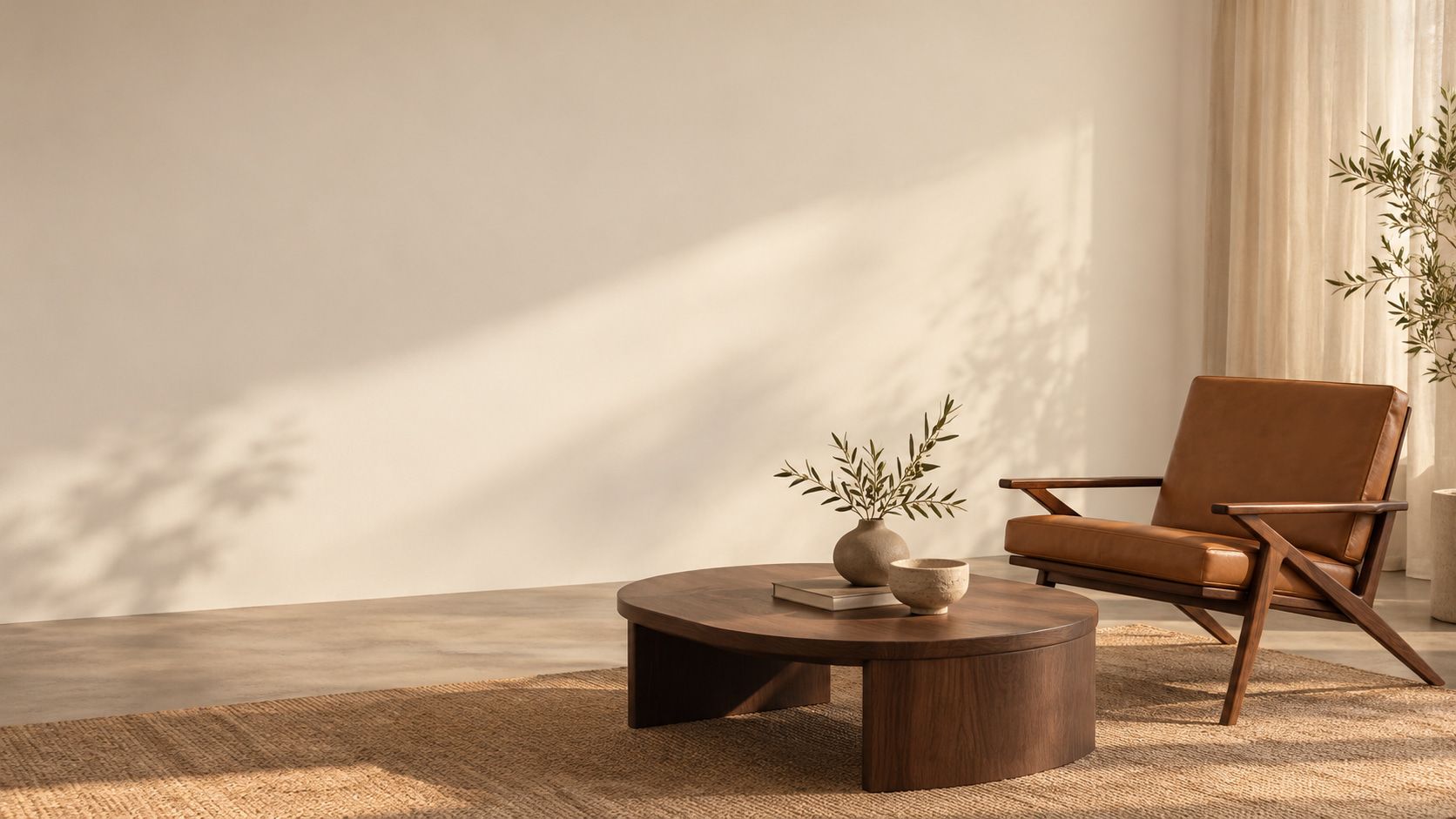
Whatever covers four uses: sleeping, working, sitting and storing. In practice that means a bed with its headboard, two bedside tables, a desk and chair, an armchair or bench, a luggage rack and a wardrobe or open hanging rail.
It helps to plan the room in zones, since each has its own route and its own light. You quickly see what is missing, and which piece only gets in the way:
It also pays to split the pieces into two families. Casegoods and fitted pieces, such as the headboard, the wardrobe or a wall-hung desk, are drawn to the exact size of the space and are usually built as joinery. Loose furniture, such as chairs, armchairs, side tables and benches, is chosen from a collection or ordered from a manufacturer, and repeated identically across dozens of rooms. Each family has its own supplier, lead time and installation, so separating them early keeps gaps out of the budget.
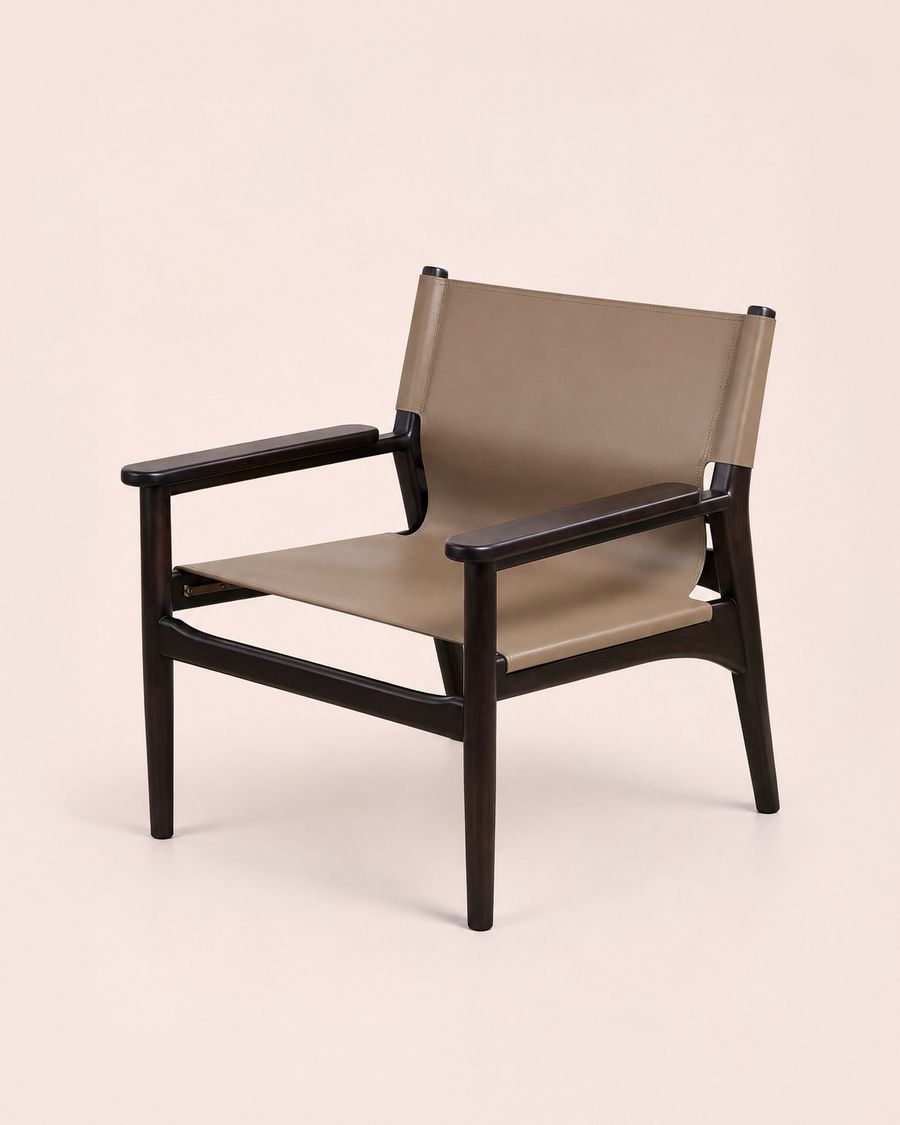
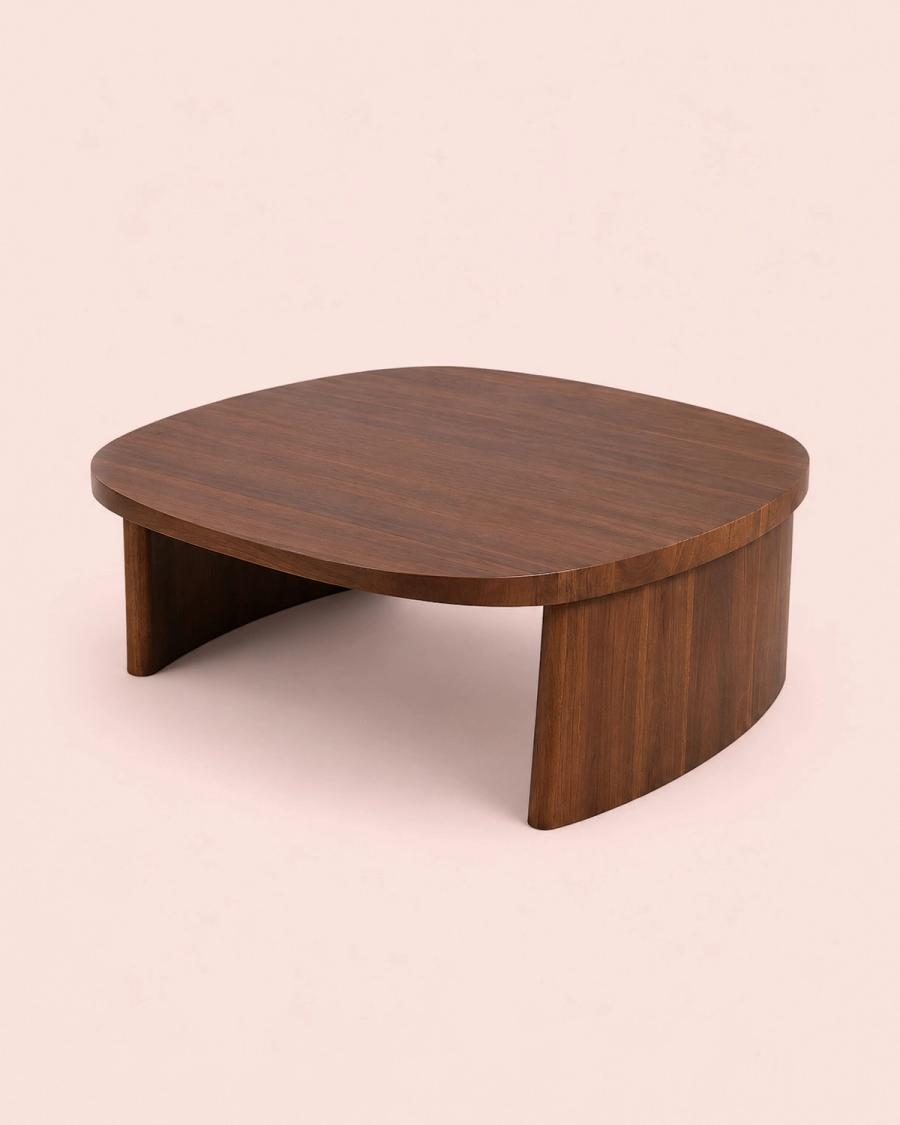
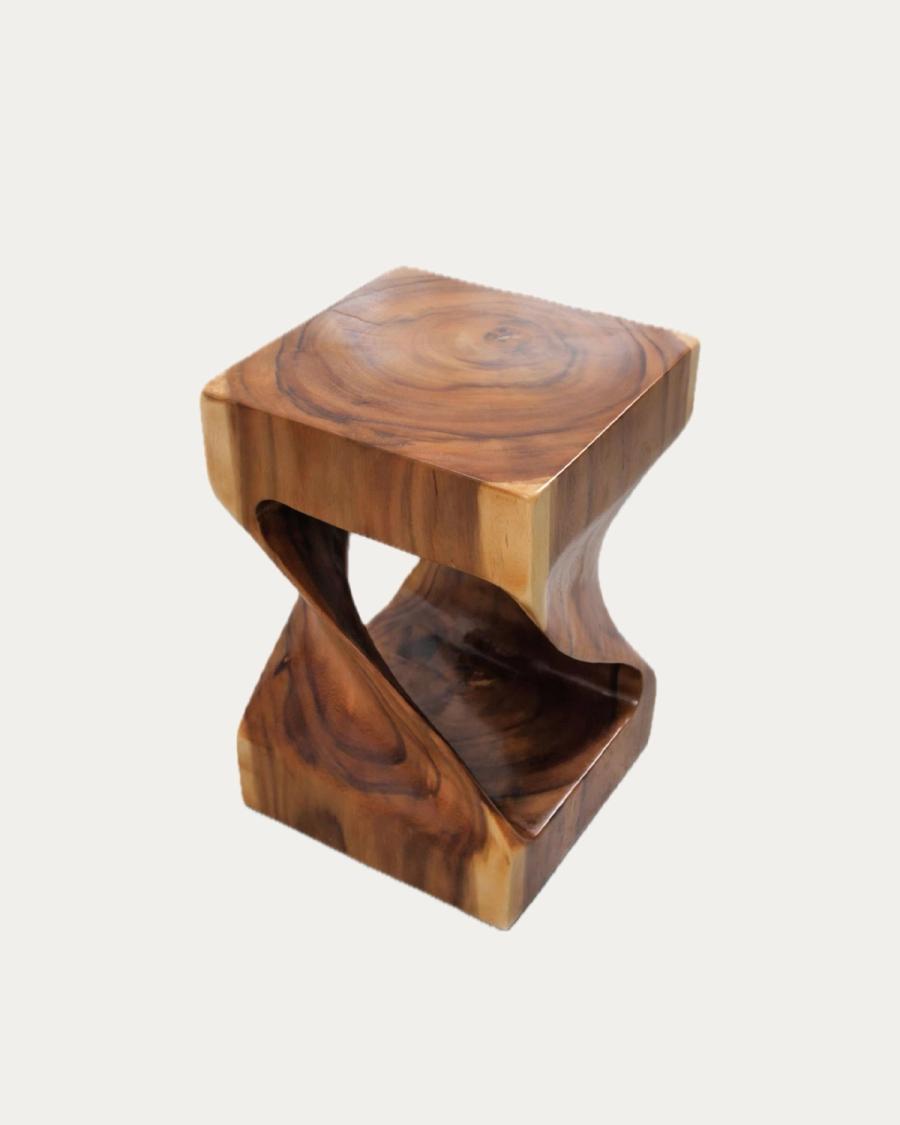
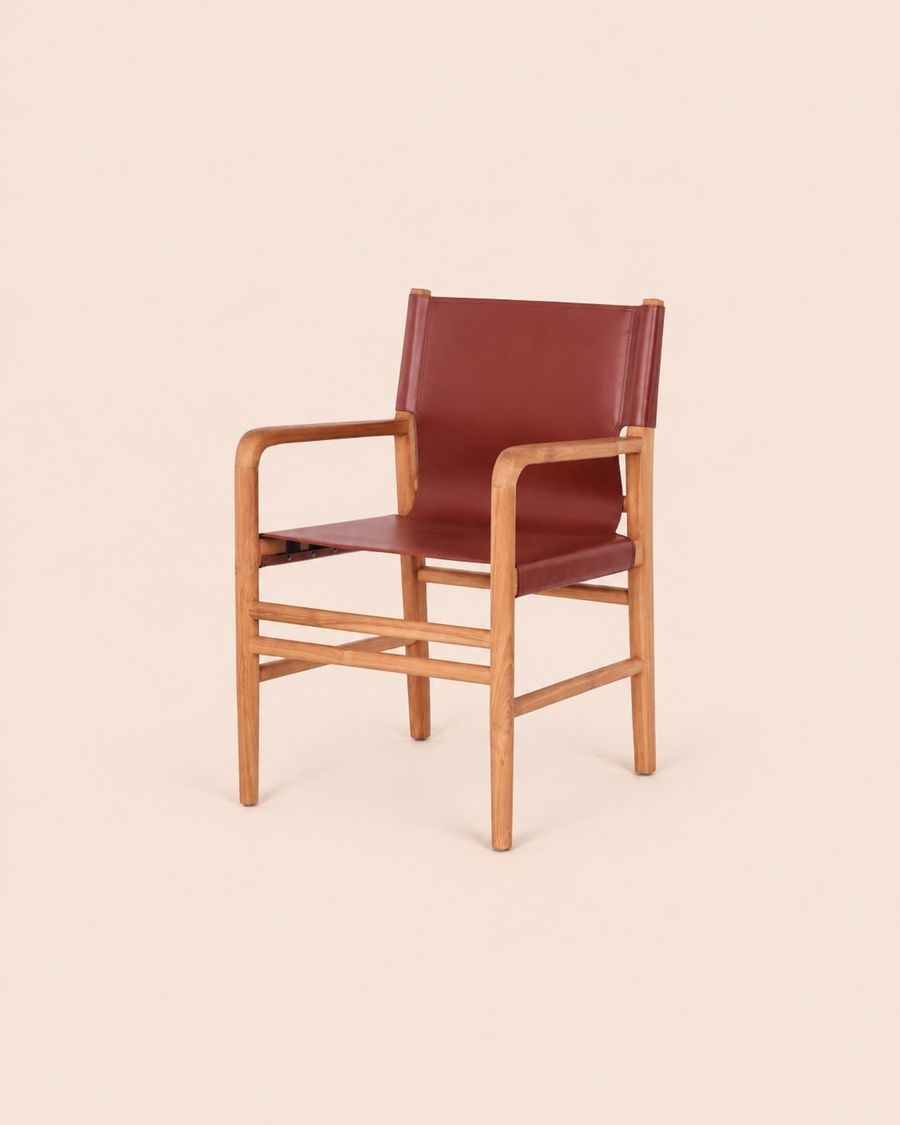
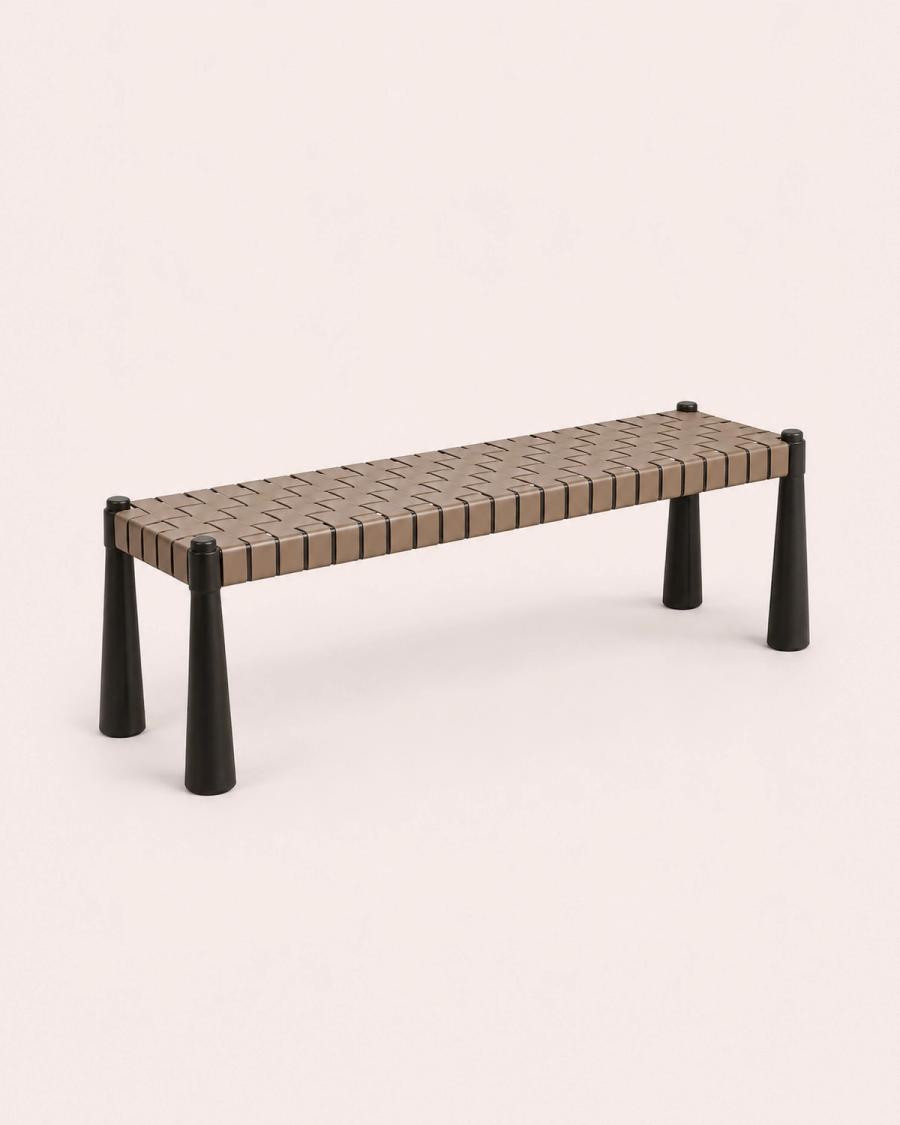
For loose pieces made for this use, see our hotel room furniture.
At least 60 to 70 cm clear around the bed and between pieces. It is the figure repeated by the interior design guides that currently rank in Spanish search; it comes from use, not from a standard.
The reasoning is simple. A guest has to get through with a suitcase, and housekeeping has to make the bed from both sides without moving furniture. If a bedside table has a drawer or the wardrobe door opens towards the bed, measure the gap with the drawer and the door open. In small rooms, a wall-hung bedside table or a narrow bench at the foot of the bed wins back centimetres without losing anything.
The desk follows the same rules as a dining table, because it is used seated with your arms on the top. The table below gathers the starting measurements.
| Element | Measurement | Where it comes from |
|---|---|---|
| Clear space around the bed | At least 60 to 70 cm | Interior design guides cited by Google in Spain |
| Desk height | 71 to 76 cm | Dining table reference (Demarques) |
| Chair seat height | 43 to 48 cm | Demarques |
| Gap between seat and desktop | 25 to 30 cm | Demarques |
| Turning space in an accessible bedroom | 1.50 m circle | Spain, CTE DB-SUA, Annex A |
| Clear space at an accessible bed | 0.90 m on one side and 0.90 m at the foot | Spain, CTE DB-SUA, Annex A |
The 25 to 30 cm gap between seat and desktop is what leaves room for your legs. If you choose the chair first, fit the desk to it rather than the other way round: changing the height of a desktop is easier than changing a chair that has already been made.
It depends on where the hotel is. In Spain the number is set by the Technical Building Code (CTE), in section SUA 9 of its DB-SUA document, according to how many rooms the hotel has. The same document defines what an accessible bedroom is.
Table 1.1 in SUA 9 counts by units, which in a hotel are the rooms: one accessible room for 5 to 50, two for 51 to 100, four for 101 to 150, six for 151 to 200 and eight above 200, plus one more for every 50 rooms or part of 50 beyond 250. Check the regional rules for tourist accommodation too; outside Spain, the local building regulations apply.
For the furniture, the key is to draw the accessible room as a room type of its own. The turning circle, the approach space on one side of the bed and the passage at its foot have to stay clear with every piece in place, which usually means fewer pieces, narrower ones or a different layout. A standard armchair that fits the typical room may not fit here. Having it made to measure lets you keep the same model across the whole hotel.
Solid frames with firm joints, upholstery tested for fire, and finishes that take daily cleaning without wearing through. Each piece in a guest room is used by hundreds of different people a year and cleaned every day.
Steam from the bathroom and weather on the balcony are the hardest test for timber and board. What matters is how much the material moves as it takes up and loses moisture. Teak moves little: it shrinks 2.6% radially and 5.3% tangentially, according to The Wood Database, which also rates its heartwood as very durable. That is why the same teak piece can go indoors or out. If you choose board for a fitted piece, ask how the edges are sealed, since that is where water gets in.
Non-domestic chairs and armchairs are tested to EN 16139, and tables to EN 15372. Ask for the test report for each model. Our guide on contract furniture and what to ask a manufacturer covers this in detail.
Fabrics on armchairs, headboards and upholstered benches are tested for fire. In Spain the usual tests are UNE-EN 1021-1 and UNE-EN 1021-2, a cigarette and a match; in the UK, contract seating is classed under BS 7176. Which test applies depends on the project, as our guide to fire-retardant upholstery explains. Choose covers that can be removed or reupholstered too, as the fabric wears out before the frame.
By room type. Write a furniture list for each type, multiply it by the number of rooms of that type, and add the public areas separately.
| Piece | Double (40) | Twin (16) | Suite (4) | Total |
|---|---|---|---|---|
| Bedside table | 2 | 2 | 2 | 120 |
| Desk chair | 1 | 1 | 1 | 60 |
| Armchair | 1 | 1 | 2 | 64 |
| Bench at the foot of the bed | 1 | 0 | 1 | 44 |
| Luggage rack | 1 | 1 | 1 | 60 |
| Sofa | 0 | 0 | 1 | 4 |
Count by room type, not room by room: one furniture list per type and a single multiplication prevent most quantity mistakes.
That schedule, with its codes and quantities, is the basis of the hotel's FF&E, the furniture and equipment budget kept apart from the building works. We explain it in what FF&E means in a hotel.
OCCA, an FF&E consultancy, puts the useful life of hotel furniture at 3 to 7 years. That is the period over which it is depreciated and usually refreshed, not the point at which a piece breaks.
What stretches that life is being able to repair instead of replace. A chair with a solid frame can be reupholstered, and a timber table can be sanded and refinished. Before you buy, ask whether spares will be available, whether the upholstery can be changed, and whether you can order the same piece years later. Keep the technical drawing and the finish codes: they are what lets you repeat a piece exactly.
OCCA also recommends an FF&E reserve from the first day of trading, starting low, at around 2%, and rising each year as the furniture ages.
When a piece from a collection does not fit the plan, it can be adjusted. Kadek Living adapts dimensions, timber finish, upholstery and colour, and before production sends a technical drawing and a sample of the piece or the finish for approval; our page on hotel furniture explains how. Finishes can be compared side by side at the Madrid showroom, by appointment.
Furniture made for the daily use of a hotel, from the guest rooms to the lobby, restaurant and terrace. It differs from domestic furniture in the strength it has to prove and in the same piece being repeated in large numbers.
Wall-hung tables leave the floor clear and make daily cleaning quicker. Freestanding ones can be moved without building work, which helps if the layout may change in a refurbishment.
Yes, and it should. Outdoor furniture for domestic and contract use is tested to the EN 581 series, and solid teak can stay outside all year round.
It is not compulsory, but in a hotel with several room types an interior designer or architect usually draws the layouts and the furniture schedule. The manufacturer works from that schedule.
Yes, if the project has many identical rooms. Fitting out one room with the real pieces lets you check sizes, clearances and finishes before the rest are made.